3 Ways Visiting an OBGYN Can Safeguard Your Health
OBGYNs, short for obstetricians and gynecologists, are doctors specializing in women’s health care, focusing on the reproductive system, pregnancy, childbirth, and other associated health concerns. These specialists play a pivotal role not only in managing reproductive health but also in maintaining overall well-being through different stages of life. Regular visits to an OBGYN helps to address various health concerns and support preventive care. Here are three key areas where visiting an OBGYN can safeguard your health:
Obstetric Care
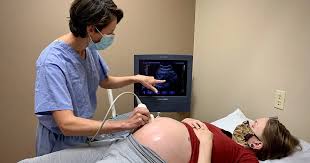
OBGYNs are instrumental in managing care during pregnancy, overseeing the health of both the expecting mother and the baby. Obstetric care typically includes regular checkups, monitoring fetal development, and providing guidance on nutrition and lifestyle choices. This multilayered care helps detect potential complications early, like gestational diabetes or high blood pressure, allowing for timely intervention.
Before Birth
An OBGYN oversees prenatal testing that evaluates the baby’s growth and identifies any genetic or developmental concerns. Beyond clinical care, they provide support and education, helping parents-to-be prepare for delivery and postpartum recovery. Whether it’s a first or subsequent pregnancy, an obstetic specialist offers tailored care for patients’ diverse health needs.
After Birth
Their role does not end with childbirth. For women in the postpartum phase, OBGYNs assist with recovery, including addressing hormonal changes and offering guidance on physical healing. They also provide contraceptive counseling for family planning, making the transition after childbirth smoother and more manageable.
Conception
For women starting conception, trying to conceive, or navigating challenges with fertility, OBGYNs offer valuable assistance. These professionals can help demystify the conception process, providing insights into the menstrual cycle, ovulation timing, and optimal conditions for pregnancy. Often, their role includes performing preliminary fertility evaluations to identify any underlying health conditions that may affect conception. This may include conditions like polycystic ovary syndrome (PCOS) or endometriosis.
Once potential issues are identified, OBGYNs can recommend treatments or lifestyle adjustments that may improve the likelihood of conceiving. A provider may suggest weight management plans or specific nutritional recommendations to enhance fertility. Depending on the circumstances, they might also refer patients to fertility specialists for more advanced interventions, like in vitro fertilization (IVF). For couples experiencing recurrent miscarriages, OBGYNs provide testing and support to determine possible causes.
Menopause
Regular visits to an OBGYN during and after menopause can help women better manage this natural life stage. OBGYNs provide individualized care, including discussions about lifestyle changes, supplements, and treatments that can help alleviate symptoms. Some common symptoms of menopause are:
- Mood Changes
- Brain Fog
- Hot Flashes
- Sleep Sweats
Providing Routine Screenings
Beyond managing symptoms, OBGYNs focus on long-term health during menopause. This includes screening for conditions like osteoporosis and heart disease, which become more common as hormone levels change. By performing regular checkups, monitoring bone density, and assessing cardiovascular health, they take preventative steps to help women stay healthy later in life.
Improving Sexual Health
They also address concerns related to sexual health, from symptoms concerning vaginal dryness or changes in libido, providers can offer advice and solutions to improve comfort and well-being. For women seeking hormone therapy or other treatments, OBGYNs provide tailored options designed around individual health histories and preferences.
Learn How OBGYN Services Can Benefit You
Regular visits to an OBGYN are an opportunity to focus on preventive care and establish long-term health strategies. From managing pregnancy to navigating menopause, OBGYNs offer personalized care to address the unique health needs of every stage of life. Whether you’re planning for a baby, managing reproductive health challenges, or facing menopause, the expertise and guidance of an OBGYN can help you stay informed about your health. Contact a specialist today.