Identifying and Treating Plantar Warts Effectively
Plantar warts appear on the soles of the feet and can cause discomfort during walking or standing. These growths develop when the human papillomavirus (HPV) enters the skin through small cuts or breaks. Understanding how to identify these warts and explore treatment options helps people address this common foot condition effectively.
Recognizing Plantar Warts
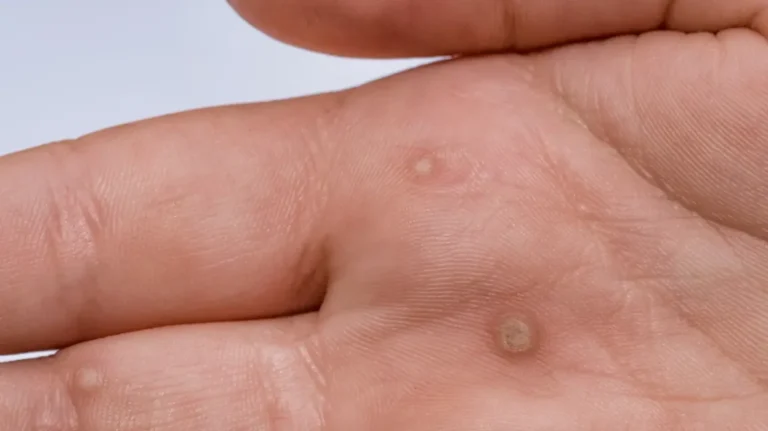
Plantar warts present distinct characteristics that differentiate them from other foot conditions. These growths typically appear as small, rough bumps on the bottom of the foot, often with a grainy texture. The center may contain tiny black dots, which are small blood vessels that have clotted. The location of plantar warts often occurs on weight-bearing areas of the foot, such as the heel or ball of the foot. This positioning can make walking painful, as the wart gets pushed deeper into the skin with each step.
Plantar warts can appear individually or in clusters called mosaic warts. Single warts tend to be larger and more painful, while mosaic warts consist of multiple smaller growths grouped together. The texture feels rough when touched, unlike the smooth surface of normal skin. Some people experience sharp pain when walking, while others feel only mild discomfort. The pain often increases when squeezing the wart from the sides, which distinguishes it from corns or calluses that hurt more with direct pressure.
Exploring Professional Treatments
Healthcare providers offer several treatment methods for plantar warts. Cryotherapy involves applying liquid nitrogen to freeze the wart tissue, causing it to die and eventually fall off. Topical medications containing salicylic acid provide another approach. These medications work by gradually removing layers of the wart tissue. Healthcare providers may prescribe stronger concentrations than those available over the counter.
Laser therapy uses focused light to destroy wart tissue. This method may be recommended for warts that don’t respond to other treatments. The procedure typically requires local anesthesia and may cause temporary discomfort. Minor surgical procedures can remove persistent warts. Healthcare providers may use electrosurgery, which burns the wart tissue with electrical current, or perform simple excision to cut out the wart. These procedures are typically reserved for warts that haven’t responded to other treatments.
Identifying Prevention Strategies
Several home care methods can support treatment and prevent future warts. Keeping feet clean and dry helps prevent the spread of HPV. The virus thrives in warm, moist environments, making proper foot hygiene particularly effective. Over-the-counter salicylic acid treatments are available for home use. These products come in various forms, including patches, gels, and solutions.
Avoiding direct contact with warts prevents spreading to other areas of the body or to other people. Washing hands thoroughly after touching the affected area stops the virus from transferring to new locations. Wearing shoes in public areas like pools, locker rooms, and showers reduces exposure to HPV. The virus can survive on surfaces and enter the skin through small cuts or abrasions on the feet.
Get Treatment for Plantar Warts
Plantar warts can be effectively managed through various treatment approaches. Early identification and appropriate treatment help prevent the warts from growing larger or spreading to other areas. While some warts may resolve on their own, seeking professional guidance provides access to more effective treatment options and prevents complications. Individuals experiencing persistent foot pain or growths should consult a healthcare provider for a proper evaluation and treatment recommendations.