Managing Symptoms, Diagnosis, and Treatment Options for Endometriosis
Endometriosis affects approximately 10% of women of reproductive age. This chronic condition occurs when tissue similar to the uterine lining grows outside the uterus, significantly impacting quality of life and reproductive health. Understanding this condition enables individuals to recognize symptoms, seek an accurate diagnosis, and explore effective treatment options.
What Is Endometriosis?
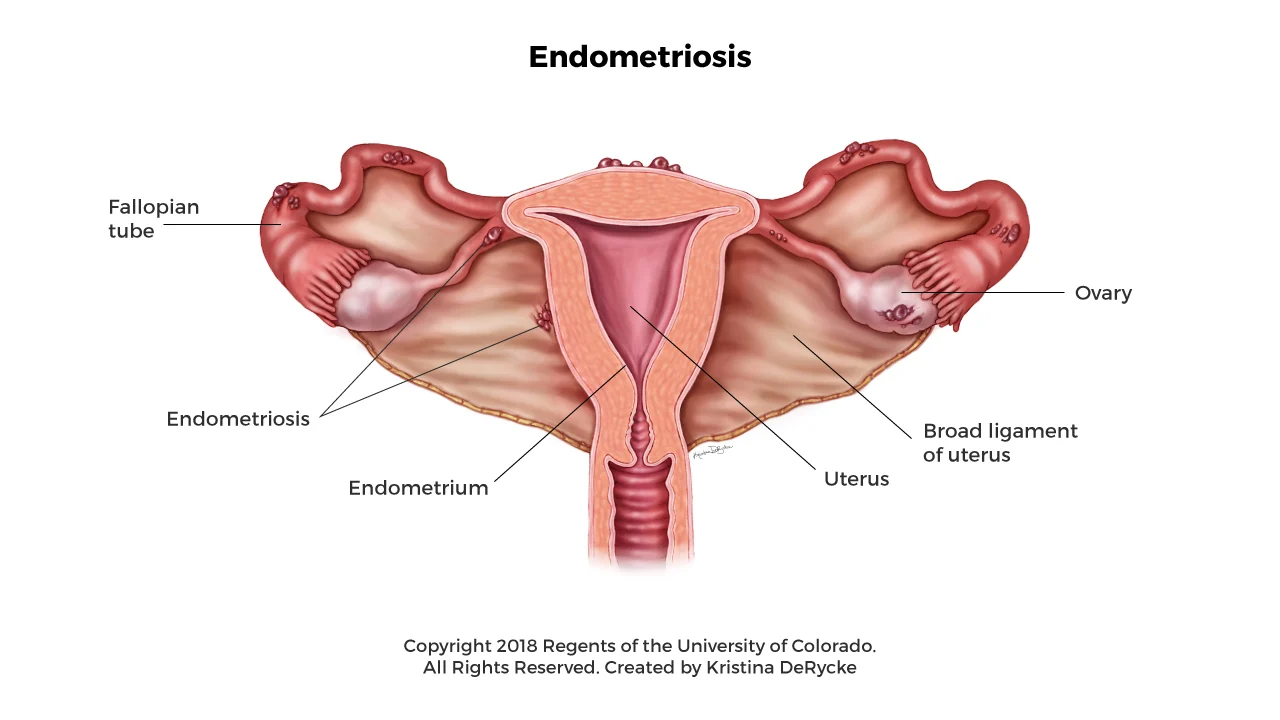
Endometriosis is a medical condition where endometrial-like tissue grows outside the uterine cavity. This tissue can develop on the ovaries, fallopian tubes, and other pelvic organs. The misplaced tissue behaves similarly to normal endometrial tissue, thickening and breaking down with each menstrual cycle.
The displaced tissue cannot exit the body naturally, like normal menstrual flow. This leads to inflammation, the formation of scar tissue, and adhesions between organs. The condition ranges from mild to severe, with symptoms varying between individuals.
What Causes It?
The exact cause of endometriosis remains unknown, though several factors may contribute to its development. Retrograde menstruation is when menstrual blood flows backward through the fallopian tubes into the pelvic cavity. Endometrial cells can implant and grow in abnormal locations due to retrograde menstruation.
Genetic factors may play a role in the development of endometriosis. Women with family members who have endometriosis face a higher risk of developing the condition. Immune system dysfunction may also contribute to this condition.
What Are the Symptoms?
Pelvic pain is a common symptom of endometriosis, particularly during menstruation. This pain often exceeds normal menstrual cramping and may worsen over time. The pain can be constant or cyclical, affecting daily activities and work productivity.
Painful periods can be debilitating for those with endometriosis. Additional symptoms may include:
- Heavy menstrual bleeding or bleeding between periods
- Pain during sexual intercourse
- Infertility or difficulty conceiving
- Pain during bowel movements or urination
- Fatigue, nausea, and digestive issues during menstruation
Symptom severity does not always correlate with the extent of endometriosis. Some individuals with mild endometriosis experience severe symptoms, while others with extensive disease may have minimal discomfort.
What Does a Diagnosis Involve?
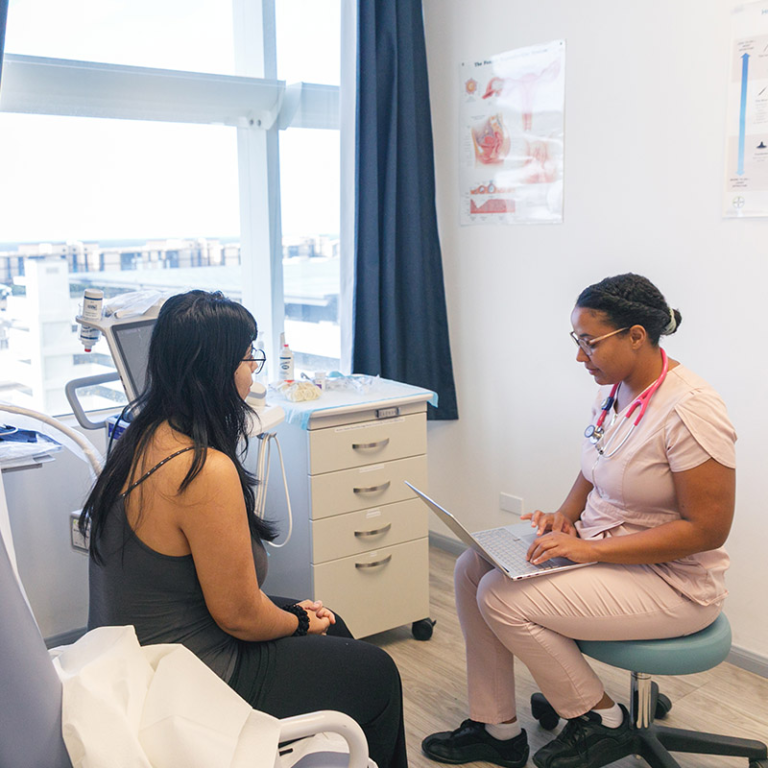
Diagnosing endometriosis typically begins with a comprehensive medical history and physical examination. A pelvic examination may reveal abnormalities such as cysts or scar tissue. Laparoscopy is the standard diagnostic method for endometriosis, involving the insertion of a small camera through a tiny incision in the abdomen. During laparoscopy, surgeons directly visualize endometrial implants and obtain tissue samples for confirmation.
What Are the Treatment Options?
Treatment approaches for endometriosis focus on managing symptoms and improving quality of life. Pain medication helps provide relief from pelvic pain and menstrual cramping. Over-the-counter options may be sufficient for mild symptoms. Hormone therapy aims to reduce or eliminate menstruation, which helps decrease symptoms.
Laparoscopic surgery can remove or destroy endometrial implants while preserving reproductive organs. This approach may be recommended for individuals seeking to maintain fertility or when conservative treatments prove ineffective. Surgical removal of visible endometriosis can provide symptom relief.
Hysterectomy, with or without removal of the ovaries, may be evaluated for severe cases when other treatments fail. This procedure is typically reserved for women who do not wish to preserve fertility. Complete hysterectomy with ovary removal provides the most definitive treatment, but results in immediate menopause.
Learn More About This Condition
Endometriosis is a complex condition that requires individualized treatment approaches. Understanding the symptoms, diagnostic process, and available treatments helps individuals seek appropriate medical care. Early diagnosis and treatment can prevent disease progression and improve long-term outcomes. Contact a specialist to discuss symptoms and explore treatment options tailored to your specific needs.