
Sodziu: A Complete Guide to Its History, Cultural Significance, Traditions, and Modern Relevance
In a world where cultures continue to evolve through technology and globalization, traditional customs remain valuable because they connect people with their history and identity. One fascinating cultural concept that has attracted growing interest is sodziu. Although the term is not widely known across the United States, its cultural value, historical background, and community-centered traditions make it an interesting topic for anyone who appreciates heritage and human connection.
Sodziu is much more than a single tradition or celebration. It represents a way of preserving memories, strengthening communities, sharing stories, and honoring generations that came before. In many ways, sodziu reflects the universal human desire to belong to a community while respecting the customs that shape identity.
As people search for authentic cultural experiences, sodziu has become increasingly relevant. Historians, travelers, educators, and cultural enthusiasts see it as an example of how traditions can survive even in today’s fast-changing world.
This comprehensive guide explores everything about sodziu, including its origins, historical development, cultural importance, symbolism, modern adaptations, and future potential. Rather than simply repeating existing information, this article provides deeper analysis and practical insights that help readers understand why sodziu continues to matter today.
What Is Sodziu?
Sodziu is best understood as a cultural tradition that represents community values, shared celebrations, historical remembrance, and the preservation of local heritage. While its exact interpretation may differ depending on regional customs and historical influences, the central idea remains remarkably consistent: bringing people together through meaningful traditions.
Unlike modern celebrations that often focus on entertainment alone, sodziu emphasizes participation, cooperation, storytelling, family relationships, and respect for cultural identity.
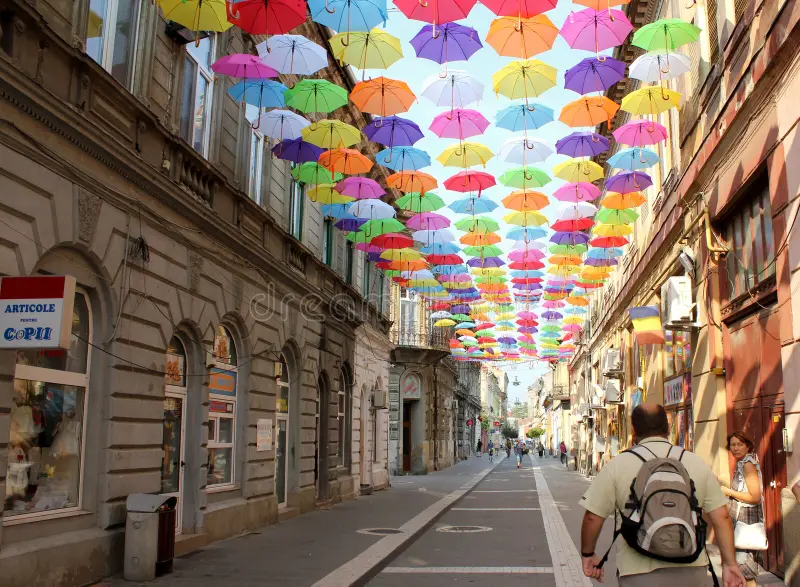
Several important characteristics define sodziu:
- Strong community involvement
- Respect for historical traditions
- Celebration through shared experiences
- Preservation of local customs
- Passing knowledge between generations
- Encouraging unity rather than individuality
Instead of existing as a fixed event, sodziu can be viewed as a living tradition that grows with each generation while maintaining its original values.
This flexibility explains why sodziu continues attracting attention despite social and technological changes.
The Meaning Behind the Word Sodziu
Language often preserves culture better than written history. The word sodziu carries cultural associations that extend beyond a simple dictionary definition.
Rather than describing only one ceremony or one festival, sodziu represents an entire way of maintaining relationships between people, traditions, and communities.
Its meaning may include ideas such as:
- Cultural belonging
- Shared responsibility
- Local identity
- Historical continuity
- Community cooperation
- Respect for elders
- Celebration of heritage
These meanings help explain why sodziu remains culturally significant even as societies become increasingly digital.
Historical Origins of Sodziu
Understanding sodziu requires looking beyond modern celebrations and exploring the historical environment in which these traditions developed.
Many traditional customs around the world originated because communities depended heavily on cooperation for survival. Farming, seasonal changes, local craftsmanship, and family relationships shaped everyday life.
Sodziu likely evolved through centuries of community interaction where traditions served practical purposes such as:
- Bringing neighbors together
- Marking seasonal events
- Celebrating successful harvests
- Honoring ancestors
- Teaching younger generations
- Resolving community differences
- Preserving local stories
Unlike written records, these customs were primarily preserved through oral traditions.
Grandparents taught parents.
Parents taught children.
Children eventually became the next generation of tradition keepers.
This continuous transfer of knowledge helped sodziu survive despite historical changes.
How Sodziu Changed Through Different Historical Periods
Every tradition evolves over time.
Sodziu is no exception.
Early Community Period
During its earliest development, sodziu revolved around everyday community life.
People gathered regularly because cooperation was necessary for survival.
Important activities included:
- Food preparation
- Agricultural work
- Seasonal celebrations
- Community meetings
- Storytelling evenings
- Music and dance
These gatherings naturally strengthened social relationships.
Cultural Preservation Period
As societies expanded and outside influences increased, many communities recognized the importance of protecting local traditions.
Sodziu became a symbol of cultural identity.
Instead of simply celebrating together, communities intentionally preserved songs, customs, crafts, and ceremonies.
This period helped establish sodziu as an important part of local heritage.
Modern Adaptation Period
Today’s version of sodziu reflects a balance between history and innovation.
Modern communities often combine traditional practices with:
- Digital communication
- Cultural festivals
- Educational programs
- Tourism initiatives
- Heritage organizations
- Online storytelling
Rather than replacing tradition, technology has created new ways to preserve it.
Why Sodziu Matters Today
Many people wonder why traditional customs remain important in today’s digital world.
The answer lies in human psychology.
Technology connects devices.
Traditions connect people.
Sodziu offers something increasingly rare:
Authentic human interaction.
Communities practicing traditional customs often experience stronger relationships because people actively participate instead of simply observing.
Benefits include:
- Greater community trust
- Increased cultural awareness
- Better family relationships
- Preservation of local history
- Improved intergenerational communication
- Stronger sense of identity
These social benefits explain why researchers increasingly recognize the importance of preserving cultural traditions.
Core Values That Define Sodziu
Every meaningful tradition is built upon values.
Sodziu emphasizes several timeless principles.
Community First
Individual success matters.
Community success matters even more.
Sodziu encourages cooperation rather than competition.
People celebrate together.
Work together.
Learn together.
Grow together.
Respect for History
Modern societies often move quickly.
Sodziu reminds people that history still shapes the present.
Remembering traditions helps communities appreciate their roots.
Learning Through Experience
Books provide knowledge.
Experiences create understanding.
Many sodziu activities involve participation because learning becomes more meaningful when people actively engage.
Passing Wisdom Between Generations
One defining feature of sodziu is the transfer of knowledge.
Older generations share:
- Stories
- Traditions
- Skills
- Songs
- Values
- Historical memories
Young people become future guardians of culture.
Traditional Customs Associated with Sodziu
Although customs vary across communities, several themes commonly appear.
Community Gatherings
Gatherings represent the heart of sodziu.
These events encourage conversation, cooperation, and friendship.
Activities may include:
- Shared meals
- Storytelling
- Traditional music
- Dance performances
- Local crafts
- Cultural games
The focus remains on participation rather than entertainment alone.
Seasonal Celebrations
Many traditional cultures celebrate important seasonal changes.
These events remind communities of their historical connection with nature.
Seasonal gatherings often symbolize:
- Renewal
- Gratitude
- Prosperity
- Unity
- Hope
Traditional Food
Food plays a central role in preserving culture.
Recipes often pass through families for generations.
Preparing meals together strengthens relationships while preserving culinary heritage.
Traditional cooking also encourages younger generations to appreciate historical lifestyles.
Music and Dance
Music communicates emotions that words cannot fully express.
Within sodziu traditions, music often serves several purposes:
- Celebration
- Storytelling
- Historical remembrance
- Community participation
- Emotional expression
Dance similarly creates opportunities for collective celebration.
Rather than professional performances, participation matters most.
The Symbolism Found Within Sodziu
Every tradition contains symbols that communicate deeper meanings.
Sodziu includes several symbolic themes.
Also read:OncePik: The Complete Guide to Smart Picks for Technology, Lifestyle, Trends, and Home Improvement
Unity
Communities become stronger when individuals cooperate.
Group celebrations symbolize shared responsibility and mutual support.
Continuity
Each generation inherits traditions from previous generations.
This continuity reminds people that they belong to a larger historical story.
Respect
Respect extends toward:
- Elders
- History
- Nature
- Family
- Community
These relationships form the foundation of cultural identity.
Hope
Traditional celebrations often look toward the future.
Rather than focusing only on the past, sodziu encourages optimism about future generations.
Sodziu and Community Identity
Communities become memorable because of shared traditions.
Without customs, neighborhoods become collections of buildings.
With traditions, they become places filled with identity.
Sodziu contributes to community identity by encouraging people to:
- Participate actively
- Preserve local stories
- Celebrate achievements
- Support neighbors
- Welcome newcomers respectfully
These practices create stronger social connections.
The Educational Value of Sodziu
Modern education increasingly recognizes that learning extends beyond classrooms.
Sodziu provides practical education through lived experiences.
Young participants naturally learn:
- Cultural history
- Communication skills
- Leadership
- Teamwork
- Responsibility
- Creative expression
- Respect for diversity
Unlike formal instruction, these lessons develop through participation.
As a result, knowledge becomes easier to remember and more meaningful.
Sodziu in the Modern World
Globalization has changed nearly every cultural tradition.
However, sodziu demonstrates remarkable adaptability.
Instead of disappearing, many communities have modernized their traditions while preserving their original purpose.
Examples include:
- Digital archives documenting local history
- Virtual storytelling sessions connecting distant families
- Social media campaigns promoting cultural awareness
- Community festivals attracting international visitors
- Educational workshops introducing younger generations to traditional practices
These innovations allow sodziu to remain relevant without losing its cultural authenticity.
Modern technology has also expanded access. People who once had limited opportunities to learn about cultural traditions can now discover, study, and appreciate sodziu through online educational resources, digital museums, documentaries, and community-led initiatives.
Rather than replacing face-to-face interaction, technology serves as a bridge that encourages more people to participate in preserving cultural heritage.
Why Sodziu Continues to Inspire Future Generations
One of the greatest strengths of sodziu is its ability to evolve while maintaining its core values. Younger generations often seek meaningful experiences that connect them to something larger than themselves. Sodziu provides that opportunity by combining history, creativity, community participation, and cultural pride.
Instead of viewing tradition as something outdated, many people now recognize it as an important source of identity, resilience, and belonging. This renewed appreciation ensures that sodziu remains more than a historical concept—it becomes an ongoing cultural journey that continues to inspire families, educators, artists, and communities around the world.
In an increasingly connected world, preserving traditions like sodziu reminds us that progress and heritage can exist together. The lessons found within these customs—cooperation, respect, storytelling, and shared celebration—remain as valuable today as they were generations ago.
Challenges Facing Sodziu in the Modern Era
Although sodziu has survived for generations, it faces several challenges in today’s rapidly changing world. Understanding these challenges is important because preserving any cultural tradition requires awareness, commitment, and action.
Urbanization
As more people move to cities for education and employment, many traditional communities become smaller.
When families relocate, it becomes harder to organize local celebrations and pass traditions to younger generations. Community gatherings that once included hundreds of participants may gradually become smaller over time.
However, this challenge also creates an opportunity. Many people who move away later return to their hometowns during holidays, helping keep sodziu alive through annual festivals and family reunions.
Digital Entertainment
Modern technology offers endless entertainment options.
Streaming services, video games, and social media often occupy much of people’s free time. As a result, younger generations may have fewer opportunities to experience traditional customs firsthand.
Rather than viewing technology as an enemy, many cultural organizations now use it to promote sodziu through online videos, digital archives, educational websites, and virtual cultural events.
Loss of Oral Traditions
For centuries, stories connected to sodziu were shared through conversation rather than books.
As older generations pass away, valuable memories, songs, and local histories can disappear if they are not recorded.
Communities increasingly recognize the importance of documenting these traditions through books, audio recordings, documentaries, and digital libraries.
Global Cultural Influence
Global culture has created greater diversity and international understanding, but it has also made some local traditions less visible.
People sometimes adopt international celebrations while overlooking their own cultural heritage.
The solution is not choosing one over the other. Instead, communities can celebrate global diversity while continuing to value traditions like sodziu.
How Communities Can Preserve Sodziu
Keeping sodziu alive requires active participation rather than passive appreciation.
Several practical strategies can help ensure that future generations continue to enjoy and understand this important tradition.
Teach Children Early
Children naturally enjoy stories, music, games, and celebrations.
Introducing sodziu through enjoyable activities helps create lasting memories and encourages lifelong appreciation.
Parents and grandparents can involve children by:
- Sharing family stories
- Teaching traditional songs
- Preparing cultural meals together
- Participating in community events
- Explaining the meaning behind customs
Document Local History
Every community has unique traditions.
Recording interviews with elders, collecting photographs, writing community histories, and preserving traditional recipes help ensure valuable knowledge is not lost.
Support Cultural Festivals
Local festivals bring traditions to life.
Communities that organize annual cultural events often strengthen relationships while introducing younger generations and visitors to sodziu.
These festivals also encourage tourism, helping local businesses while promoting cultural appreciation.
Encourage Schools to Participate
Educational institutions play a valuable role in cultural preservation.
Schools can include sodziu in history, literature, art, music, and social studies programs.
Students benefit by developing a greater understanding of cultural diversity and historical continuity.
Use Modern Technology Wisely
Technology should support tradition rather than replace it.
Communities can create:
- Educational videos
- Online cultural exhibitions
- Interactive websites
- Digital storytelling projects
- Social media campaigns
- Virtual heritage tours
These resources make sodziu accessible to people around the world.
The Role of Families in Keeping Sodziu Alive
Families have always been the foundation of cultural traditions.
Parents and grandparents often serve as the first teachers, introducing children to customs long before they enter school.
Simple family activities can preserve sodziu, including:
- Cooking traditional meals together
- Sharing childhood memories
- Celebrating seasonal events
- Visiting historical locations
- Learning traditional crafts
- Singing cultural songs
- Encouraging family storytelling nights
These experiences strengthen relationships while preserving cultural knowledge.
Sodziu and Cultural Tourism
As travelers increasingly seek meaningful experiences rather than ordinary vacations, cultural tourism continues to grow.
Sodziu offers visitors opportunities to experience authentic traditions instead of commercial attractions.
Responsible cultural tourism can provide benefits such as:
- Supporting local economies
- Protecting historical sites
- Encouraging traditional craftsmanship
- Creating employment opportunities
- Promoting intercultural understanding
- Increasing awareness of local heritage
However, tourism should always respect community values.
Traditions should never be changed solely for commercial purposes.
Authenticity remains one of sodziu’s greatest strengths.
How Sodziu Supports Community Well-Being
Modern research consistently shows that strong communities contribute to better emotional and social well-being.
Although sodziu developed long before modern psychology, many of its traditions naturally encourage healthy communities.
Building Trust
Regular community gatherings help people develop stronger relationships.
Trust grows when neighbors spend time together rather than remaining strangers.
Reducing Social Isolation
Many people experience loneliness despite constant digital communication.
Sodziu encourages face-to-face interaction, helping individuals feel connected and supported.
Strengthening Identity
Knowing one’s cultural history often increases confidence and belonging.
People who understand their heritage frequently develop a stronger appreciation for both their own traditions and those of others.
Encouraging Volunteerism
Community celebrations require teamwork.
Preparing events together encourages cooperation, leadership, and shared responsibility.
These experiences strengthen communities beyond the celebrations themselves.
Common Misunderstandings About Sodziu
As interest in sodziu grows, several misconceptions have also appeared.
Understanding the facts helps people appreciate the tradition more accurately.
Myth: Sodziu Is Only for Older Generations
Reality: People of every age can participate.
Children, teenagers, adults, and seniors all contribute to keeping traditions alive.
Myth: Sodziu Never Changes
Reality: Every healthy tradition evolves over time.
While its core values remain consistent, customs naturally adapt to changing societies.
Myth: Sodziu Is Only About Celebrations
Reality: Celebrations represent only one aspect.
Sodziu also includes education, storytelling, family relationships, historical preservation, artistic expression, and community cooperation.
Myth: Technology Will Replace Sodziu
Reality: Technology can actually strengthen cultural preservation when used thoughtfully.
Digital archives, educational resources, and online communities help introduce sodziu to wider audiences.
Expert Analysis: Why Sodziu Matters in the Twenty-First Century
One reason sodziu remains relevant is that it addresses challenges many modern societies face.
People today often experience:
- Busy lifestyles
- Limited community interaction
- Reduced family time
- Information overload
- Cultural disconnection
Sodziu offers practical solutions through meaningful human interaction.
Rather than encouraging people to disconnect from modern life, it promotes balance.
Communities benefit when they embrace innovation while preserving the traditions that give people a sense of belonging.
This balance may become increasingly valuable as technology continues transforming everyday life.
Lessons Other Communities Can Learn from Sodziu
Even communities unfamiliar with sodziu can apply many of its principles.
Also read:Troozer.com: The Complete Guide to a Modern Multi-Category Digital Publishing Platform
Important lessons include:
- Preserve local history before it disappears.
- Celebrate community achievements together.
- Encourage conversations between generations.
- Respect cultural diversity.
- Support local artists and craftspeople.
- Create traditions that strengthen neighborhoods.
- Balance innovation with heritage.
- Teach children the stories behind customs.
- Welcome newcomers while respecting local identity.
- Build stronger communities through participation.
These principles extend beyond one culture and have universal value.
The Future of Sodziu
Looking ahead, sodziu appears well positioned to continue evolving.
Several trends support its future growth.
Growing Interest in Heritage
People increasingly seek authentic cultural experiences.
This renewed appreciation creates opportunities for communities to preserve traditional customs.
Educational Expansion
Schools, universities, museums, and cultural organizations continue developing programs focused on heritage education.
Sodziu fits naturally within these initiatives.
Digital Preservation
Modern technology allows traditions to be documented more thoroughly than ever before.
Future generations will likely have greater access to historical information through digital collections.
International Cultural Exchange
Global communication allows people from different countries to appreciate each other’s traditions.
Rather than reducing cultural diversity, respectful exchange can strengthen awareness of unique customs like sodziu.
Practical Ways to Experience Sodziu
If you would like to explore the spirit of sodziu, consider these ideas:
- Attend local heritage festivals or cultural celebrations.
- Visit museums that highlight traditional community life.
- Learn traditional songs, dances, or crafts.
- Read books about regional history and folklore.
- Interview older family members and record their stories.
- Cook traditional recipes with friends or family.
- Support artisans who preserve traditional craftsmanship.
- Participate in volunteer projects that strengthen your local community.
- Explore historical villages and heritage sites.
- Share cultural traditions with younger generations.
The goal is not simply to observe but to participate with curiosity and respect.
Why Sodziu Will Continue to Be Relevant
Cultures survive because people choose to preserve them.
Sodziu reminds us that traditions are not obstacles to progress—they are foundations that help communities move forward with confidence.
In an age of rapid technological change, the values represented by sodziu remain timeless:
- Unity
- Respect
- Cooperation
- Cultural pride
- Shared responsibility
- Lifelong learning
- Community resilience
These principles are as meaningful today as they were centuries ago.
Conclusion
Sodziu is far more than a historical tradition or a cultural celebration. It represents a living expression of community, heritage, and shared identity that continues to evolve with each new generation. Through storytelling, family participation, seasonal gatherings, music, food, and collective experiences, sodziu preserves the values that help communities remain connected in an increasingly fast-paced world.
Its greatest strength lies in its flexibility. Rather than resisting change, sodziu demonstrates how traditions can adapt while protecting their original purpose. Modern technology, educational programs, cultural tourism, and digital preservation have all created new opportunities for people to discover and appreciate its significance.
For readers in the United States and beyond, sodziu offers more than cultural knowledge. It provides a valuable reminder that strong communities are built through participation, respect, cooperation, and the sharing of traditions across generations. By embracing these principles, societies can preserve their heritage while continuing to innovate and grow.
As interest in authentic cultural experiences continues to increase, sodziu stands as an inspiring example of how history, identity, and community can work together to create a richer and more meaningful future.
Frequently Asked Questions (FAQs)
Can sodziu inspire community projects outside its traditional cultural setting?
Yes. The principles behind sodziu—cooperation, storytelling, volunteerism, and cultural appreciation—can inspire neighborhood events, educational programs, and local heritage projects anywhere in the world.
Is sodziu suitable for multicultural communities?
Absolutely. Sodziu encourages respect for cultural identity while promoting inclusion and shared experiences. Communities with diverse backgrounds can adapt its values to celebrate multiple traditions together.
How can digital platforms help preserve sodziu without losing authenticity?
Digital tools can document oral histories, archive photographs, record traditional music, and provide educational resources. When managed by local communities, technology supports preservation without replacing genuine participation.
What skills can young people develop by participating in sodziu-related activities?
Young participants can strengthen communication, leadership, teamwork, creativity, cultural awareness, event planning, and problem-solving skills while gaining a deeper appreciation for their heritage.
Why is sodziu becoming more interesting to researchers and educators?
Researchers value sodziu because it demonstrates how traditions contribute to social cohesion, cultural preservation, lifelong learning, and community resilience. It offers practical insights into how heritage can remain relevant in modern society while supporting education and intercultural understanding.