Causes and Prevention of Common Warts
Warts are benign, or noncancerous, growths that appear on the skin, and these growths are caused by an infection with the human papillomavirus (HPV). While generally harmless, warts may be bothersome or cause discomfort depending on their location. The virus triggers excess cell growth, making the outer layer of the skin thick and hard in that specific spot. Here’s more information on wart causes and treatments:
What Are the Types of Warts?
Warts vary in size, shape, and texture depending on their type and location. They can range from flat and smooth to rough and raised. These growths spread through direct contact with HPV, which can occur via skin-to-skin transmission or through contaminated surfaces. Some warts cause discomfort, particularly if they develop in areas subjected to friction or pressure, such as the hands or feet.
Warts can appear anywhere on the body, and their appearance varies based on the type of wart. Some of the different types include:
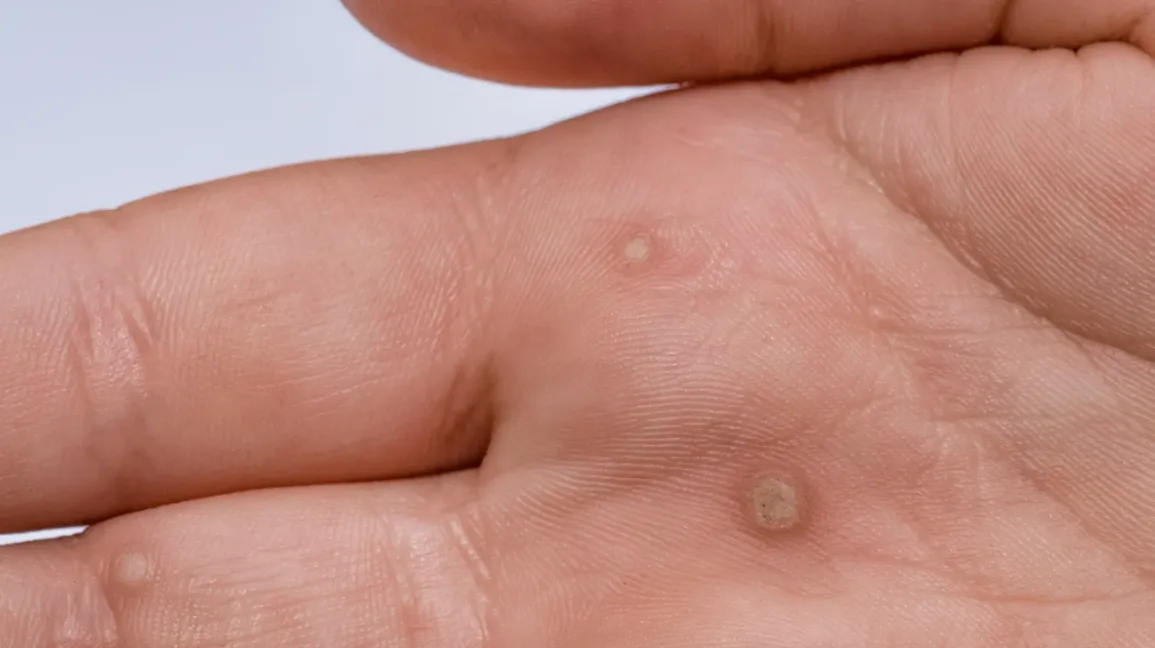
- Common Wart (Verruca Vulgaris): These typically grow on the fingers and toes but may appear elsewhere. They usually have a rough, grainy appearance and a rounded top.
- Plantar Wart (Verruca Plantaris): Found on the soles of the feet, plantar warts commonly grow in clusters. Unlike other wart types, they grow into your skin, not out of it, due to the pressure from walking. They may look like a small hole on the bottom of the foot surrounded by hardened skin.
- Flat Warts (Verruca Plana): These warts are smaller and smoother than other types, and they can grow anywhere. They tend to grow in large numbers, with 20 to 100 appearing at a time.
- Filiform Warts (Verruca Filiformis): These have a thread-like or finger-like appearance and often grow around the mouth, eyes, or nose.
How Do They Develop?
Warts develop when the human papillomavirus enters the body through a small cut or break in the skin. The virus is contagious and can spread through direct contact with a wart or by touching a surface that has come into contact with a wart, such as a towel or a public shower floor. Plantar warts, specifically, are often contracted in warm, moist environments where people walk barefoot, so public swimming pools and locker rooms are common places for exposure.
You can lower your risk of developing common warts by taking certain precautions. Avoid walking barefoot in public areas like pools, locker rooms, and communal showers. Maintaining good foot hygiene and keeping your feet clean and dry may also help reduce your risk.
How Are They Treated?
Common warts are typically treated using methods that target the virus responsible for their growth while gradually removing the thickened skin. Over-the-counter treatments with salicylic acid are readily available and work by softening the wart tissue, making it easier to remove over time. To find out what type of wart you have and how best to manage it, consult with a podiatrist.
Persistent or larger warts may require professional attention, where options like cryotherapy or electrosurgery are commonly recommended. Cryotherapy involves freezing the wart with liquid nitrogen, while electrosurgery uses an electric current to burn the wart off. Another treatment option is immunotherapy, which stimulates the body’s immune response to the virus.
While some warts resolve on their own, others, like plantar warts, can be persistent and cause discomfort. For more stubborn warts, laser treatment can also be used to burn and destroy the wart’s blood vessels, stopping it at the source. Minor surgery may also be necessary in some cases.
Schedule a Podiatrist Appointment
Some wart varieties may not respond to at-home treatment methods. If you suspect a growth is a wart, contact a podiatrist to schedule a consultation today. A professional can provide an accurate diagnosis and guide you toward the most effective treatment plan for your needs.