Exploring the Types and Stages of Macular Degeneration
Macular degeneration is a common eye condition, and it acts as a leading cause of vision loss among people aged 60 and older. This disease affects the macula, the small central area of the retina responsible for sharp central vision. Damage to the macula can make it difficult to see faces, read, or drive. Here is more information on this condition, including its types, stages, and treatment options:
What Is Macular Degeneration?
Age-related macular degeneration (AMD) occurs when the macula deteriorates over time. The retina is the light-sensitive tissue at the back of the eye, and it processes images that travel through the optic nerve to the brain. When the macula functions correctly, it collects highly detailed images at the center of the field of vision.
What Are the Different Types?
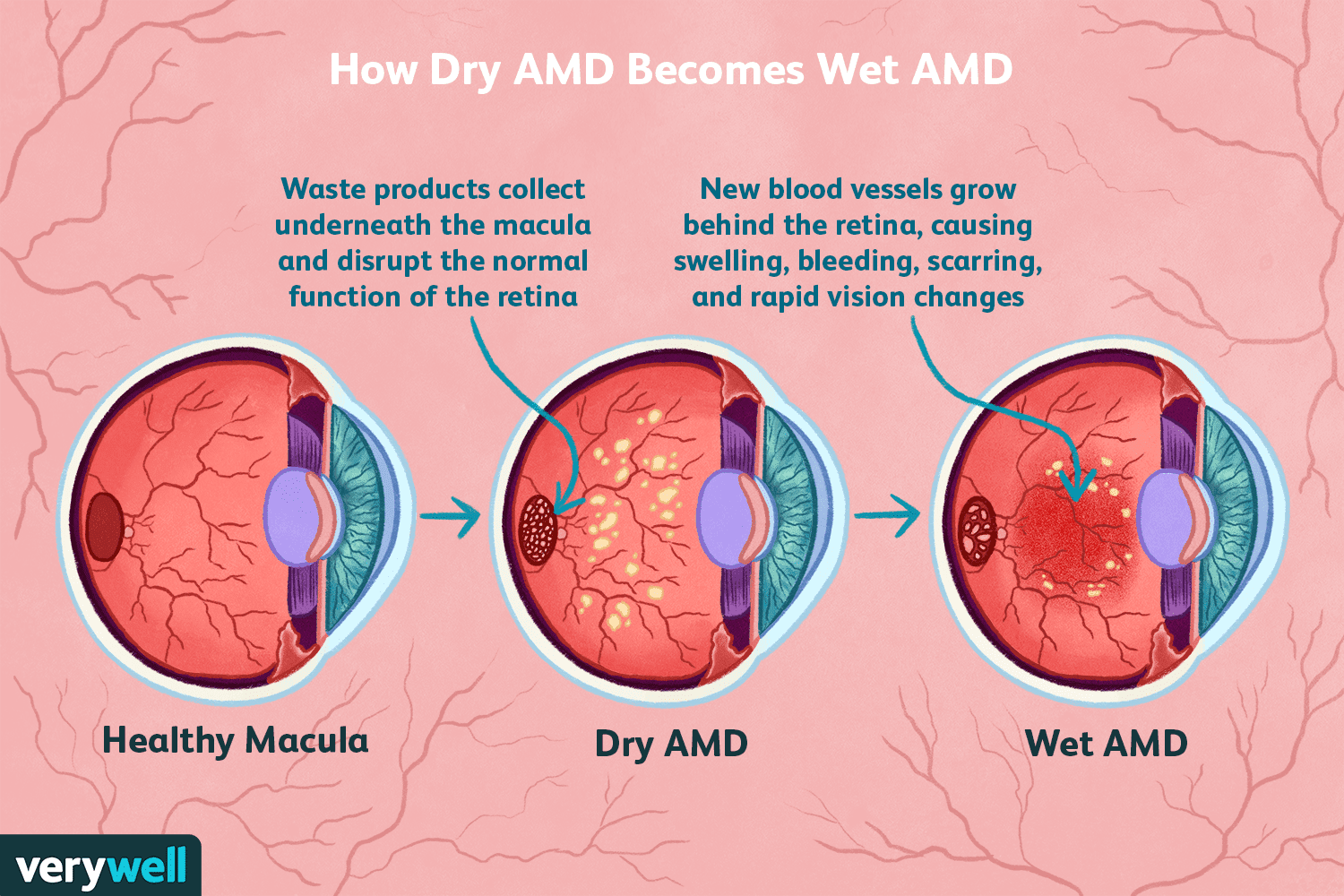
Dry macular degeneration is the most common form, and it accounts for the majority of diagnosed cases. This type occurs when parts of the macula become thinner with age, and tiny clumps of protein called drusen form. Wet macular degeneration is less common but more serious, for it can cause faster vision loss. It occurs when new, abnormal blood vessels grow under the retina.
What Are the Causes and Symptoms?
The exact cause is unknown, but a combination of heredity and environmental factors may be involved. Smoking increases the risk of developing AMD, and genetics also play a role in individual susceptibility. Other risk factors include high infections, head injuries, and diabetes.
Symptoms often develop gradually in dry AMD, so you may not notice vision changes immediately. Visual distortions are common, and straight lines potentially appear bent or wavy. You may also notice reduced central vision in one or both eyes, or the need for brighter light when reading.
What Are the Stages?
Early AMD is diagnosed by the presence of medium-sized drusen, which are yellow deposits beneath the retina. People in this stage typically do not experience vision loss, and there are usually no symptoms. An eye exam is necessary to detect the condition at this point.
Intermediate AMD involves large drusen or pigment changes in the retina, or it is present with both issues simultaneously. Some people may still have no symptoms, but others may see a blurred spot in the center of their vision. Late AMD includes both advanced dry AMD and wet AMD. In this stage, vision loss is noticeable, and detailed tasks become very challenging.
What Are the Treatment Options?
There is no cure for dry AMD, but nutritional supplements may slow the progression of intermediate to late disease. Treatments for wet AMD aim to stop abnormal blood vessel growth. Laser therapy uses high-energy light to destroy actively growing abnormal blood vessels.
Photodynamic therapy involves injecting a drug into the bloodstream, which is then activated by a laser to damage abnormal vessels. Home monitoring is useful for tracking changes in vision, and an Amsler grid helps patients detect visual distortions daily. Regular monitoring helps identify progression early.
Consult a Specialist Today
Regular eye exams are necessary for early detection and management of macular degeneration. An ophthalmologist will check for signs of the disease, and they can recommend appropriate interventions based on the stage. Schedule an appointment if you notice changes in your central vision or ability to see colors. Proactive care supports long-term eye health.