How Many Appointments Does the IVF Process Involve?
Navigating the in vitro fertilization (IVF) process can bring up many questions about the time commitment involved. Understanding the number and frequency of appointments can help you plan and prepare for what’s ahead. The process is unique to each person, but a general framework of appointments provides a clear picture of what to expect.
How Is the IVF Timeline Structured?
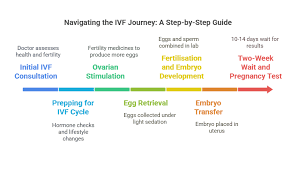
The IVF process follows a structured timeline organized into several distinct phases. Each stage involves specific medical procedures and monitoring, requiring a series of appointments at your fertility clinic. A typical cycle begins with preparatory tests and consultations, moving through ovarian stimulation and egg retrieval, and concluding with embryo transfer and pregnancy testing. This sequence helps manage each step of the process effectively.
The timeline for a single IVF cycle usually spans four to six weeks from the start of ovarian stimulation to the embryo transfer. Your care team will work with you to create this schedule during your initial consultations. The process is broken down into manageable stages, each with its own set of appointments and objectives.
A typical IVF cycle includes the following key phases:
- Initial consultation and preliminary testing
- Ovarian stimulation and monitoring
- Egg retrieval procedure
- Fertilization and embryo development
- Embryo transfer procedure
- Pregnancy test and follow-up
How Frequent Are Visits?
The frequency of your appointments will vary depending on the phase of the IVF cycle. The initial stages involve fewer visits, with a focus on baseline assessments and planning. As you begin ovarian stimulation, the number of appointments increases significantly. This phase requires close monitoring to track your body’s response to medication.
During the ovarian stimulation phase, which lasts about 10 to 12 days, you can expect to visit the clinic every one to three days for blood tests and ultrasounds. These frequent check-ins enable your medical team to monitor follicle growth and adjust medication dosages as necessary. Following the egg retrieval and embryo transfer, the appointment frequency returns to normal.
What Follow-Ups Are Needed?
After the embryo transfer, the final phase of the IVF cycle begins. This period involves a couple of key follow-up appointments to determine the outcome. Your body needs time to respond after the procedure, so the first follow-up is scheduled with care. The waiting period before the pregnancy test can feel long, but it is a standard part of the process.
Your care team will schedule these appointments before you leave the clinic after your transfer. These follow-ups are straightforward and help provide closure for the current cycle, whether you are moving forward with pregnancy care or discussing next steps.
Common follow-up appointments include:
- A blood test to measure pregnancy hormone levels is usually performed 9 to 14 days after the embryo transfer.
- A second blood test, a few days later, to confirm the pregnancy is progressing.
- An early pregnancy ultrasound is scheduled around six to seven weeks of gestation if the tests are positive.
Consult a Specialist
The number of appointments for an IVF cycle can range from 10 to 15 visits, with the most concentrated period occurring during ovarian stimulation. Understanding this commitment can help you arrange your schedule and feel more prepared for the process. To get a precise understanding of what your IVF schedule would look like, speaking with a fertility specialist is the best next step. They can provide a detailed timeline based on your specific needs and guide you through your unique path.