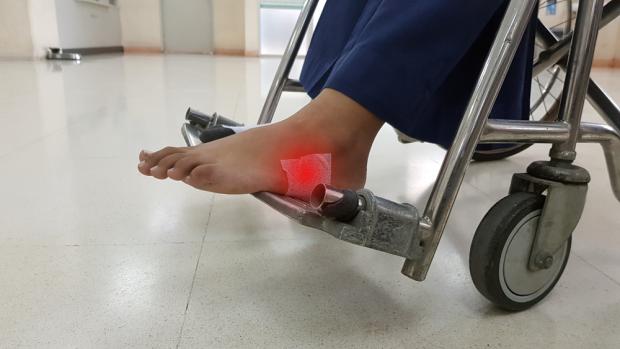
Innovative Approaches to Diabetic Wound Care
People with diabetes may experience slow-healing wounds, particularly on their feet. These wounds require specialized attention because high blood sugar levels can damage nerves and reduce blood flow, complicating the natural healing process. By staying informed, you can take different approaches to manage your health. Here is more information about innovative approaches to diabetic wound care:
Ultrasound Studies
An ultrasound study is a non-invasive diagnostic tool. As this method uses sound waves to create images of the inside of your body, it provides a clear picture of blood flow. Healthcare providers gather this information, and this helps them to assess circulation around the wound area.
Specific types of ultrasound may evaluate blood moving through your vessels. It helps detect blockages or narrowing that might slow healing. With this information, you can take the following steps in your care plan. The test is painless and provides immediate results for your medical team to review.
Understanding the blood supply to a wound is a key part of treatment. Deficient blood flow may mean tissues are not receiving enough oxygen and nutrients, which they need to repair themselves. Ultrasound results help your provider develop a tailored approach to diabetic wound care by providing detailed imaging information.
Angiograms
An angiogram provides a detailed view of your blood vessels. A special dye is injected into your bloodstream, and then X-ray images are taken. This procedure shows your doctor exactly where and how severely your blood vessels might be blocked. It provides a clear roadmap of your circulation.
This diagnostic test is more invasive than an ultrasound. It is typically performed in a hospital setting. Your healthcare team will explain the process to you beforehand so you know what to expect. Knowing the precise location of a blockage allows for targeted treatment options that may improve blood flow to the affected area.
PRP Treatments
Platelet-rich plasma (PRP) therapy uses your own blood to support the healing process. A small amount of your blood is drawn and placed in a centrifuge, which is a machine that spins at high speed to separate the blood components. This process concentrates the platelets. These concentrated platelets are then applied directly to the wound.
Choices of Dressings
The type of dressing used plays a significant part in wound management. A dressing keeps the wound moist and protected from infection. Because there are many types of dressings available for diabetic wounds, your provider will select one based on the wound’s specific needs.
Some dressings are designed to absorb excess fluid, while others provide moisture to a dry wound bed. The goal is to create an ideal environment for healing. Choices may include:
- Foams
- Hydrogels
- Alginates
- Hydrocolloids
Each type has a specific function. Foam dressings are absorbent and provide cushioning. Hydrogels donate moisture to dry wounds. Your healthcare provider will choose the dressing that best suits your wound’s condition, and they may change the type as the wound progresses through the healing stages.
Find Diabetic Wound Care
Your healthcare provider can develop a personalized treatment plan for diabetic wound care. This plan addresses the specific factors affecting your wound. Regular appointments and consistent follow-through with your care plan are parts of the process. If you have a non-healing wound, schedule a consultation with a vascular care clinic to discuss your options.