The Benefits of Minimally Invasive Hip Replacement Surgery
Hip pain can significantly affect your quality of life, making everyday activities challenging. For many, hip replacement surgery offers a path toward renewed mobility. A specific surgical approach, known as minimally invasive hip replacement, has gained attention for its distinct technique. This procedure aims to replace the hip joint through smaller incisions and with less disruption to surrounding tissues compared to traditional methods. Understanding this approach can help you have more informed discussions about your options.
How Does It Differ from Traditional Surgery?
The primary distinction between traditional and minimally invasive hip replacement lies in the surgical technique. Traditional hip surgery typically involves a single, longer incision, often between 8 and 10 inches. This larger opening provides the surgeon with a wide view of the hip joint, allowing for direct access to the area. During the procedure, muscles and tendons around the hip are detached from the bone to expose the joint for replacement.
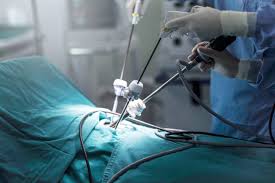
Minimally invasive hip replacement uses a different method. Surgeons perform the procedure through one or two smaller incisions, usually less than 4 inches long. Specialized instruments are used to work through these smaller openings. A key aspect of this technique is the approach to the muscles and tendons. Instead of detaching them, the surgeon works between or splits the muscle fibers to access the hip joint, preserving the soft tissue connections to the bone.
This muscle-sparing technique is fundamental to the minimally invasive approach. By avoiding large muscle detachments, the procedure reduces the overall impact on the soft tissues surrounding the hip. The goal is to replace the damaged joint while minimizing trauma to the body. This difference in handling the muscles and tendons is a central element that separates the two surgical methods.
What Benefits Do Patients See?
The muscle-sparing technique of minimally invasive surgery can lead to several positive outcomes for patients during their recovery. By preserving more of the tissue around the hip joint, this approach can help facilitate a smoother healing process. Patients often find their initial recovery is more comfortable, allowing them to focus on regaining strength and mobility sooner after the procedure.
This approach offers several potential benefits:
- Less Pain After Surgery: Because the procedure involves smaller incisions and less muscle disruption, patients often report less discomfort following the operation. This can reduce the need for pain medication during the initial recovery period.
- Smaller Scars: The use of smaller incisions results in less noticeable scarring. This cosmetic benefit is a welcome outcome for many individuals undergoing the procedure.
- Reduced Blood Loss: Minimizing tissue damage during surgery typically leads to less blood loss. This can decrease the likelihood of needing a blood transfusion.
- Shorter Hospital Stay: Many patients are able to leave the hospital more quickly. Some may even go home the same day of their surgery, allowing them to recover in the comfort of their own homes.
These benefits contribute to a more streamlined recovery experience. Patients may feel more confident and capable in the days and weeks following their surgery. The combination of less pain and a quicker return to familiar surroundings helps create a positive start to the rehabilitation process.
How Is Recovery Time Shortened?
Recovery time after a minimally invasive hip replacement is often shorter due to the less disruptive nature of the procedure. By preserving muscles and tendons, this approach reduces the trauma to the body and promotes faster healing.
- Preserved muscle and tendon integrity: Major muscles are not detached during surgery, which means less tissue needs to heal. This preservation is key to a quicker recovery.
- Improved stability post-surgery: With less muscle damage, patients often feel more stable in their new hip joint soon after the procedure. This stability enables an earlier start to physical therapy.
- Early mobilization: Patients can often begin walking with assistance within hours of the surgery, reducing stiffness and improving blood flow for faster healing.
- Faster rehabilitation progress: The focus on soft tissue preservation allows patients to move through physical therapy milestones quickly, regaining strength and function more rapidly.
- Quicker return to daily life: With less downtime, individuals can resume their normal activities sooner, enjoying a faster path to full mobility.
Minimally invasive hip replacement offers patients a smoother, faster recovery, helping them get back to their routines with less pain and disruption.
Review Hip Replacement Options
Minimally invasive hip replacement is a technique that differs from traditional surgery by using smaller incisions and sparing muscle tissue. This approach may offer a smoother recovery with less pain and a shorter hospital stay. Understanding the characteristics of this procedure can help you feel more prepared when speaking with a healthcare professional. We encourage you to explore all available hip replacement options to determine what aligns with your personal health needs and goals.