The Impact of Rotator Cuff Tears on Athletic Performance
The shoulder joint offers an incredible range of motion, allowing for the dynamic movements required in sports. This mobility comes at the cost of stability, making the shoulder more susceptible to injury. Among the most potentially debilitating injuries for an athlete is a rotator cuff tear. This condition may significantly alter an athlete’s career trajectory, requiring careful management and rehabilitation to restore function.
What Is a Rotator Cuff Tear?
The rotator cuff consists of a group of muscles and their tendons that surround the shoulder joint. These structures work together to keep the head of the upper arm bone firmly within the shallow socket of the shoulder. They facilitate lifting and rotating the arm. A tear occurs when one or more of these tendons detach from the bone, either partially or completely.
These tears often result from two primary causes. Acute tears happen suddenly, often during a fall on an outstretched arm or while lifting something too heavy with a jerking motion. Degenerative tears develop slowly over time due to repetitive stress. As the tendon frays over time, it becomes weaker and more prone to tearing. When the rotator cuff’s structural integrity fails, the athlete loses the ability to move the arm with power and precision.
How Does One Impact You?
Identifying a rotator cuff tear early can prevent further damage. Athletes often report a dull ache deep in the shoulder. This pain may disturb sleep, particularly if the individual lies on the affected side. Arm weakness is another hallmark sign, making simple tasks like reaching behind the back difficult.
During sports activities, an athlete might notice a sudden loss of power. A pitcher may lose velocity on their fastball, or a swimmer might feel unable to complete a stroke with normal force. While some tears cause immediate, intense pain, others stemming from repetitive overuse might present as a persistent discomfort that worsens over time. Ignoring these signals often leads to the tear enlarging, complicating future treatment efforts.
How Is One Treated?
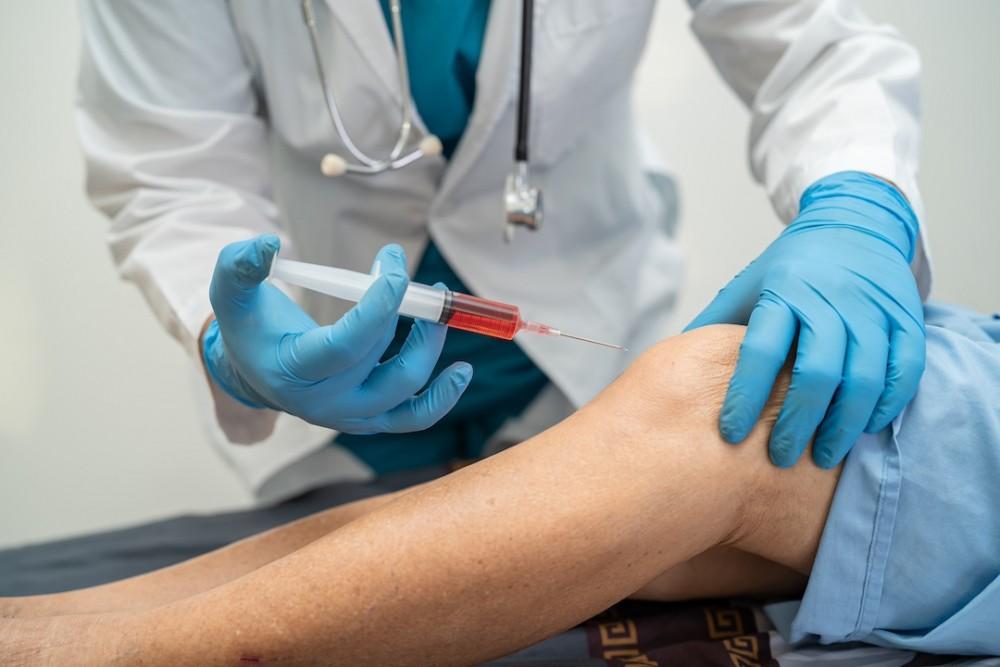
Treatment plans depend on the tear’s severity and the athlete’s specific demands. Non-surgical options are often the first line of defense. Rest allows the inflammation to subside, while physical therapy strengthens the surrounding muscles to compensate for the damaged tendon. Strengthening the shoulder blade muscles and improving posture can relieve stress on the rotator cuff. Anti-inflammatory medications or steroid injections may help manage pain and swelling, enabling the patient to participate more effectively in rehabilitation exercises.
When conservative measures fail to provide relief, or if the tear is significant and acute, surgery becomes necessary. Surgeons can repair the torn tendon using minimally invasive arthroscopic techniques. During this procedure, the surgeon reattaches the tendon to the bone. Recovery from surgery typically involves a period of immobilization followed by progressive physical therapy.
Consult an Orthopedic Specialist
Early diagnosis and appropriate intervention significantly improve the chances of a full recovery. Ignoring shoulder pain can lead to permanent stiffness or weakness. If you experience persistent shoulder pain or weakness, seeking professional evaluation is the safest step. An orthopedic specialist can provide a comprehensive assessment, including imaging scans, to determine the extent of the injury. With a tailored treatment plan, athletes can often return to the sport with restored strength.