The Link Between Obesity and Varicose Veins: What to Know
Obesity and varicose veins share a complex relationship that affects millions of people worldwide. Medical research indicates that excess weight can contribute to the development and worsening of these veins, while these enlarged, twisted veins can also impact mobility and weight management efforts. Understanding this connection helps individuals make informed decisions about their health and treatment options. Here is more information on the relationship between obesity and varicose veins:
Linking Obesity and Venous Circulation
Excess body weight places additional pressure on the venous system, sometimes causing varicose veins. This increased pressure disrupts normal blood flow patterns and strains the valves within veins that prevent blood from flowing backward. When body weight exceeds healthy ranges, the additional mass compresses blood vessels and increases the workload on leg muscles that help pump blood back to the heart.
Adipose tissue also produces inflammatory substances that may weaken vein walls and contribute to venous insufficiency. These biological changes create an environment where these veins are more likely to develop and progress. The abdominal cavity experiences increased pressure in individuals with obesity, which can restrict blood flow from the legs back to the heart.
Exploring Risk Factors
Several factors increase the likelihood of developing these veins in individuals with obesity. Age plays a significant role, as vein walls and valves naturally weaken over time. Gender also influences risk, with women experiencing higher rates due to hormonal changes during pregnancy and menopause. Family history contributes to varicose vein development, as genetic factors affect vein structure and function.
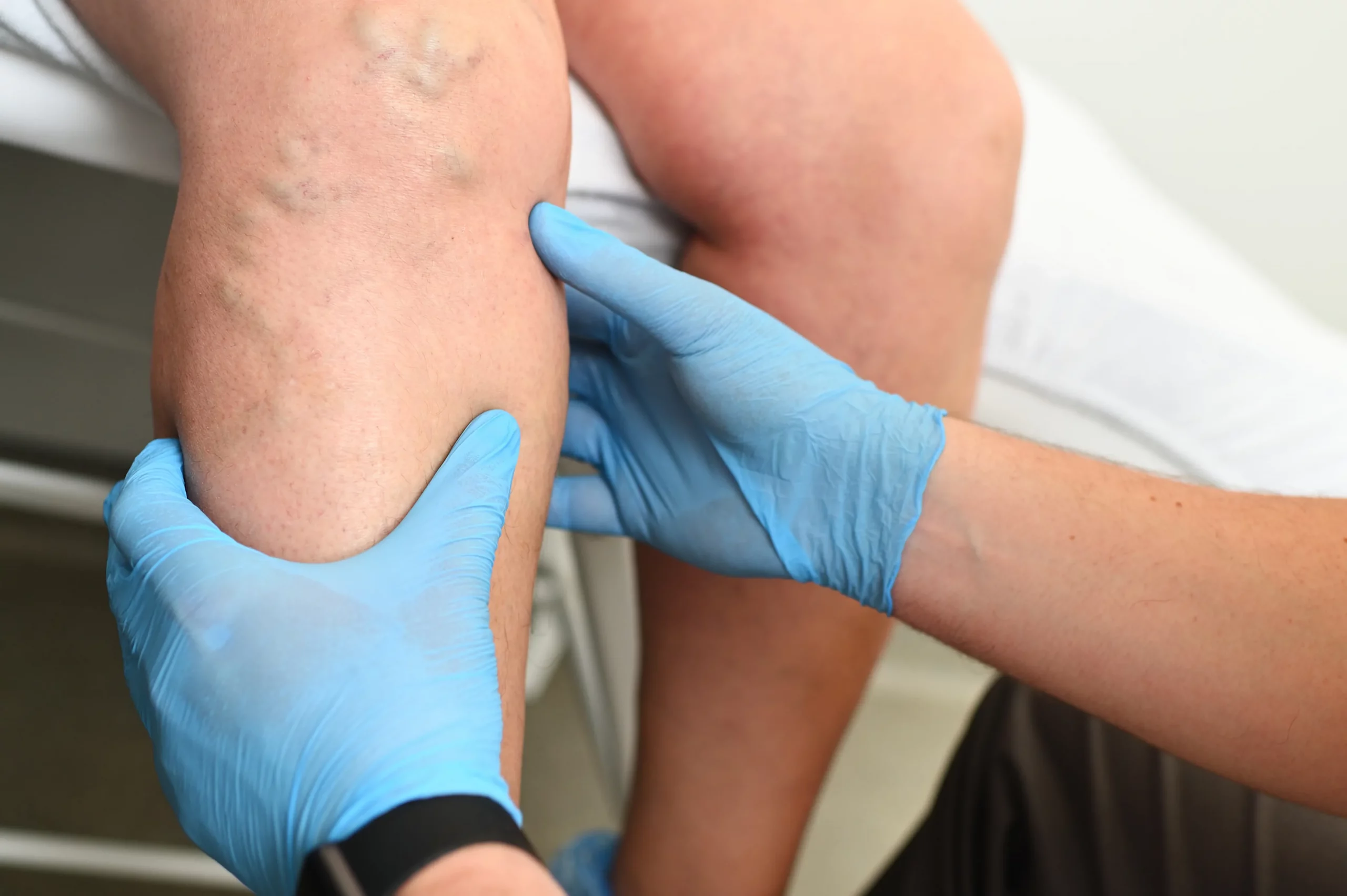
Complications can arise when both conditions coexist. Varicose veins may progress to more serious venous disorders, including chronic venous insufficiency, skin changes, and ulceration. The combination of obesity and varicose veins can create a cycle where reduced mobility leads to further weight gain, which then worsens venous problems.
Blood clots represent another potential complication, as sluggish blood flow in enlarged veins increases clotting risk. Skin changes around affected veins may include discoloration, thickening, and inflammation. The psychological impact of visible varicose veins can affect quality of life, particularly when combined with obesity-related self-image concerns.
Understanding Management Approaches
Weight management forms the foundation of treatment for individuals with both obesity and varicose veins. Even modest weight loss can reduce pressure on the venous system and improve circulation. A structured approach to weight reduction through dietary changes and appropriate exercise can yield significant benefits.
Low-impact exercises such as walking, swimming, and cycling promote venous return while supporting weight loss efforts. Calf muscle strengthening exercises specifically target the muscle pump mechanism that assists blood circulation in the legs. Compression therapy provides mechanical support to weakened veins and can reduce symptoms while weight loss efforts progress. Graduated compression stockings apply varying pressure levels to promote blood flow back to the heart.
Lifestyle modifications support both weight management and venous health. Elevating the legs when resting, avoiding prolonged sitting or standing, and maintaining proper hydration all contribute to improved circulation. Medical interventions may be necessary for advanced veins. Treatment options range from minimally invasive procedures to surgical interventions, depending on the severity and extent of venous disease.
Get Treatment for Varicose Veins
The relationship between obesity and these veins demonstrates how different health conditions can influence each other. Understanding this connection empowers individuals to address both issues through comprehensive lifestyle changes and appropriate medical care. Weight management remains the most effective approach for reducing varicose vein risk and symptoms in individuals with obesity. Combined with targeted lifestyle modifications and medical treatment when necessary, this approach can lead to significant improvements in both conditions and overall quality of life.
- The Importance of Enterprise Document Management for Modern Businesses
- Selling a Trade Business Successfully in Today’s Competitive Market
- The Impact of Sports Medicine on Recovery
- New Treatments For Women’s Health Issues
- What Services Are Involved in General Practice Medicine?