Understanding Modern Window Systems in Contemporary Architecture
Windows play a critical role in modern architecture, influencing natural light, ventilation, energy efficiency, and overall building aesthetics. For architects, builders, and property developers, understanding the structure and functionality of window systems is essential. Resources such as window frames types help professionals gain clarity on how different window components work together to enhance performance, durability, and visual appeal in residential and commercial buildings.
As construction standards evolve, high-quality aluminum windows are becoming the preferred choice for modern structures worldwide.
The Importance of Window Design in Buildings
Window design directly impacts a building’s comfort and efficiency. Well-designed windows regulate airflow, allow natural daylight, and reduce dependency on artificial lighting. In modern construction, windows are not just openings but engineered systems designed to meet safety, insulation, and aesthetic requirements.
A carefully selected window system also contributes to noise reduction, thermal insulation, and improved indoor comfort, making it an essential element of architectural planning.
Key Components of a Window System
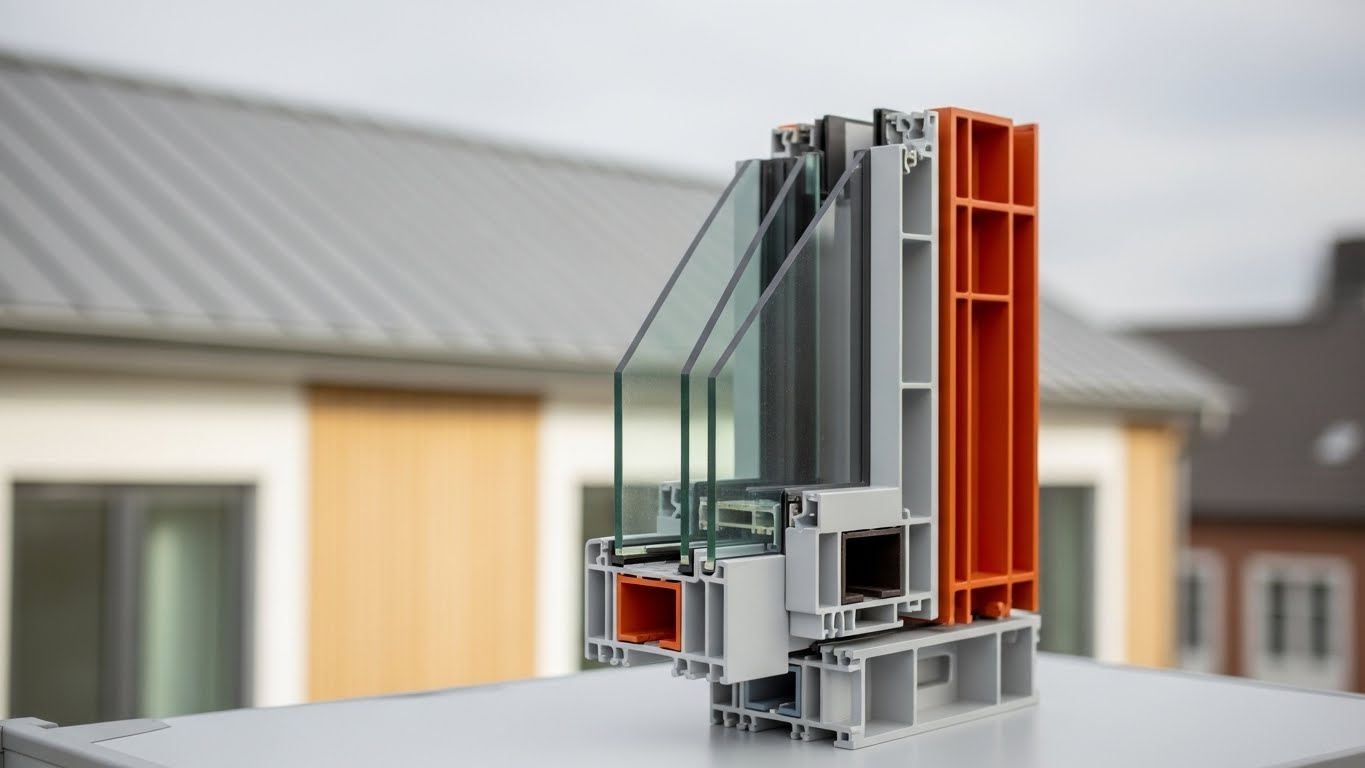
A window system consists of several integrated parts that work together for optimal performance. These include frames, sashes, glass panels, seals, hardware, and locking mechanisms. Each component serves a specific purpose, from structural support to weather resistance.
High-quality materials ensure longevity and consistent performance, especially in commercial buildings where windows are exposed to heavy usage and environmental stress.
Why Aluminum Is a Preferred Material for Windows
Aluminum has become one of the most popular materials for window manufacturing due to its strength, lightweight nature, and corrosion resistance. Unlike wood, aluminum does not warp or crack, and unlike steel, it is resistant to rust.
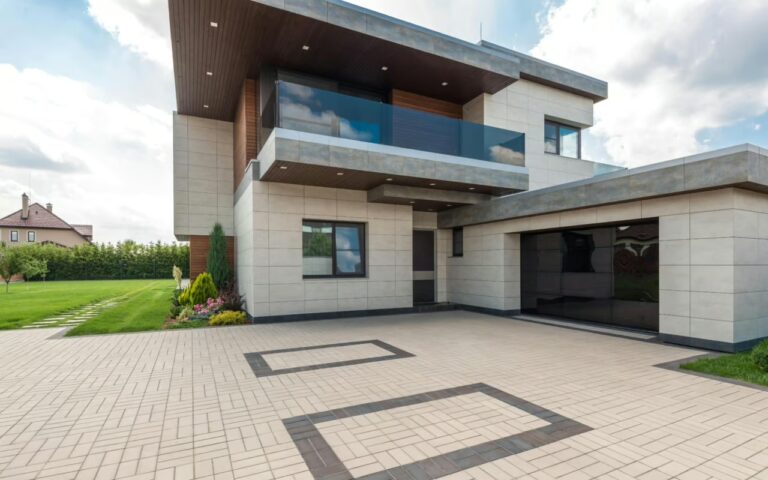
Aluminum window systems offer sleek profiles, allowing for larger glass areas and a modern appearance. They are ideal for office buildings, hotels, shopping centers, and contemporary homes.
Energy Efficiency and Thermal Performance
Modern aluminum windows are designed with advanced thermal break technology that reduces heat transfer. This improves insulation and helps maintain indoor temperatures, reducing heating and cooling costs.
Energy-efficient window systems support sustainable construction practices and help buildings meet modern energy standards and green building certifications.
Applications in Commercial and Residential Projects
High-quality window systems are widely used in residential homes, high-rise apartments, office buildings, and commercial complexes. Their durability and low maintenance requirements make them especially suitable for large-scale projects.
Architects and developers prefer aluminum windows for curtain walls, partitions, and façades due to their flexibility in design and superior structural performance.
The Role of Professional Manufacturers in Window Quality
Choosing a reliable B2B manufacturer ensures precision engineering, consistent quality, and compliance with international standards. Professional manufacturers offer customized solutions tailored to project requirements, including size, finish, and performance specifications.
This level of customization is essential for modern architectural projects where functionality and design must align seamlessly.
Conclusion
Windows are a vital component of modern architecture, combining functionality, energy efficiency, and design aesthetics. Understanding window systems and their components allows builders and designers to make informed decisions that enhance building performance and longevity. With high-quality aluminum window solutions, modern construction achieves durability, sustainability, and timeless visual appeal.