What Patients Should Know Before Cataract Surgery
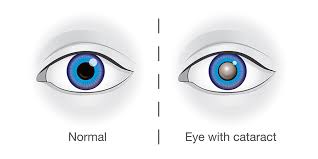
A cataract is a clouding of the eye’s natural lens, which lies behind the iris and the pupil. This condition develops when proteins in the lens break down and clump together, creating a cloudy area. As cataracts grow larger and cloud more of the lens, they can interfere with daily activities such as reading or driving, making treatment beneficial. Here is more information on cataracts, including their causes, symptoms, and cataract surgery:
What Are Cataracts?
The lens of the eye functions much like a camera lens, focusing light onto the retina for a clear image. It also adjusts the eye’s focus, letting people see things clearly both up close and far away. For the lens to work correctly, it must be clear, so when a cataract forms, it scatters the light that enters the eye.
This scattering prevents a sharply defined image from reaching the retina, resulting in blurred vision. The severity of the vision impairment depends on the size and location of the cataract. If left untreated, cataracts can lead to significant vision loss, but cataract surgery can restore clear vision.
What Causes Them?
The primary cause of cataracts is aging, as changes in the lens’s protein fibers occur over time. Besides aging, other factors can increase the risk of developing cataracts. These include a family history of the condition, certain medical conditions like diabetes, and previous eye injuries or surgeries. Prolonged exposure to ultraviolet (UV) radiation from the sun can also contribute to cataract formation, so protecting your eyes from the sun is a preventative measure.
What Are the Symptoms?
The symptoms of cataracts vary depending on the type and density of the cataract. One of the most common symptoms is cloudy or blurry vision, which may make it feel like you are looking through a foggy window. You may also notice that colors appear faded, and this makes it difficult to distinguish between certain shades. Other symptoms include worsening vision at night and increased sensitivity to light and glare.
What Is Cataract Surgery?
Cataract surgery is a procedure to remove the clouded lens of the eye and replace it with an artificial lens. This artificial lens, called an intraocular lens (IOL), is placed in the same position as the natural lens. The purpose of this surgery is to restore clear vision.
Modern cataract surgery can be performed using advanced techniques, including the use of a femtosecond laser. This laser creates precise incisions and softens the cataract, allowing for its gentle removal. The use of a laser can enhance the precision and predictability of the procedure, and your surgeon will determine the most suitable approach for your specific case.
What Does It Involve?
Cataract surgery is typically an outpatient procedure, and the timeframe varies based on individual factors. Before the surgery, your eye will be numbed with anesthetic eye drops or an injection. You will remain awake during the procedure, but there should be little pain.
During the surgery, the surgeon makes a small incision in the eye to access the clouded lens. The lens is then broken into small pieces, removed, and the new intraocular lens is inserted in its place. The incision is often self-sealing and may not require stitches, which helps speed recovery.
Learn More About Cataracts Today
Cataracts are a common age-related condition that can significantly impair vision, but treatment is available. Understanding the causes and symptoms helps you recognize the condition early. If you are experiencing symptoms of cataracts or have questions about your vision, consult with an eye care professional. A comprehensive eye examination will help you explore your treatment options.