What to Expect When Consulting a Gynecologist for Birth Control
Consulting a gynecologist for birth control is a fundamental step in managing your reproductive health. The process involves comprehensive discussions about your medical history, lifestyle factors, and other relevant factors to determine the most suitable contraceptive method. A women’s health specialist will guide you through various options while addressing your specific needs and concerns. Let’s explore what to expect when consulting a women’s health specialist for birth control.
Preparing for Your Appointment
Preparation helps maximize your consultation with a female reproductive health doctor. Gather your complete medical history, including any current medications, supplements, and previous contraceptive experiences. Document your menstrual cycle patterns, noting the frequency, duration, and any irregularities you’ve observed.
Create a list of questions regarding different birth control methods, their effectiveness rates, and potential side effects. Also, compile information about your sexual activity patterns and future family planning goals. This preparation allows your gynecologist to provide personalized recommendations based on your specific circumstances. Take your insurance information and any relevant medical records from previous healthcare providers along with you.
Understanding the Consultation Process
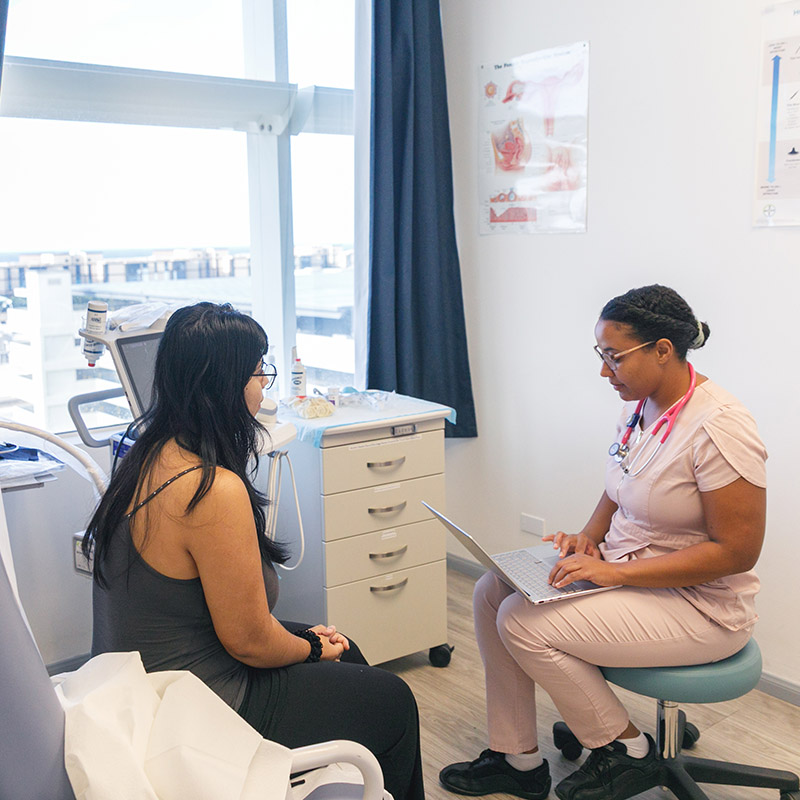
The consultation begins with a comprehensive discussion about your medical history and current health status. Your gynecologist will ask about your menstrual cycle, sexual activity, and any existing medical conditions that might influence birth control selection. This conversation helps identify potential contraindications and determine the safest options for your situation.
Your women’s health specialist will explain various contraceptive methods available. These may include hormonal options as well as non-hormonal alternatives. The effectiveness rate, mechanism of action, and potential side effects of each method will be discussed in detail. The gynecologist will also address your lifestyle factors. These may include your ability to remember daily medications, frequency of sexual activity, and any concerns about hormonal side effects.
Completing the Physical Exam
A physical examination may be performed depending on the birth control method you’re contemplating. For hormonal contraceptives like pills or patches, a physical exam might not be necessary, though your gynecologist may recommend one based on your medical history.
If you’re contemplating an IUD insertion, your doctor will likely perform a pelvic exam to assess your uterine size and position. This examination helps determine the appropriate IUD type and identify any anatomical factors that might affect insertion. Your specialist may also perform blood pressure measurement, especially if you’re contemplating hormonal birth control methods. Some contraceptives can affect blood pressure, making this assessment fundamental for safe prescribing.
Managing Follow-Up and Care
Your specialist will schedule follow-up appointments based on your selected birth control method. Hormonal contraceptives require follow-up visits within a few months to assess your response and address any side effects. Your gynecologist will monitor your adjustment to the new method and make modifications if necessary.
Long-term contraceptive methods like IUDs require periodic check-ups to assess proper placement and function. Your gynecologist will establish a schedule for routine examinations and discuss warning signs that warrant immediate medical attention. Ongoing communication with your specialist remains key throughout your contraceptive journey.
Schedule a Visit With a Gynecologist Now
Consulting a gynecologist for birth control provides you with professional guidance to make informed decisions about your reproductive health. The comprehensive approach includes thorough medical evaluation, detailed discussion of options, and ongoing support to help you achieve your family planning goals safely and effectively. Schedule your consultation with a qualified gynecologist to explore your birth control options and receive professional guidance to help you select the most appropriate method for your individual needs.